Montana Trout Unlimited
Montana Trout Unlimited conserves, protects and restores Montana’s coldwater fisheries and their watersheds.
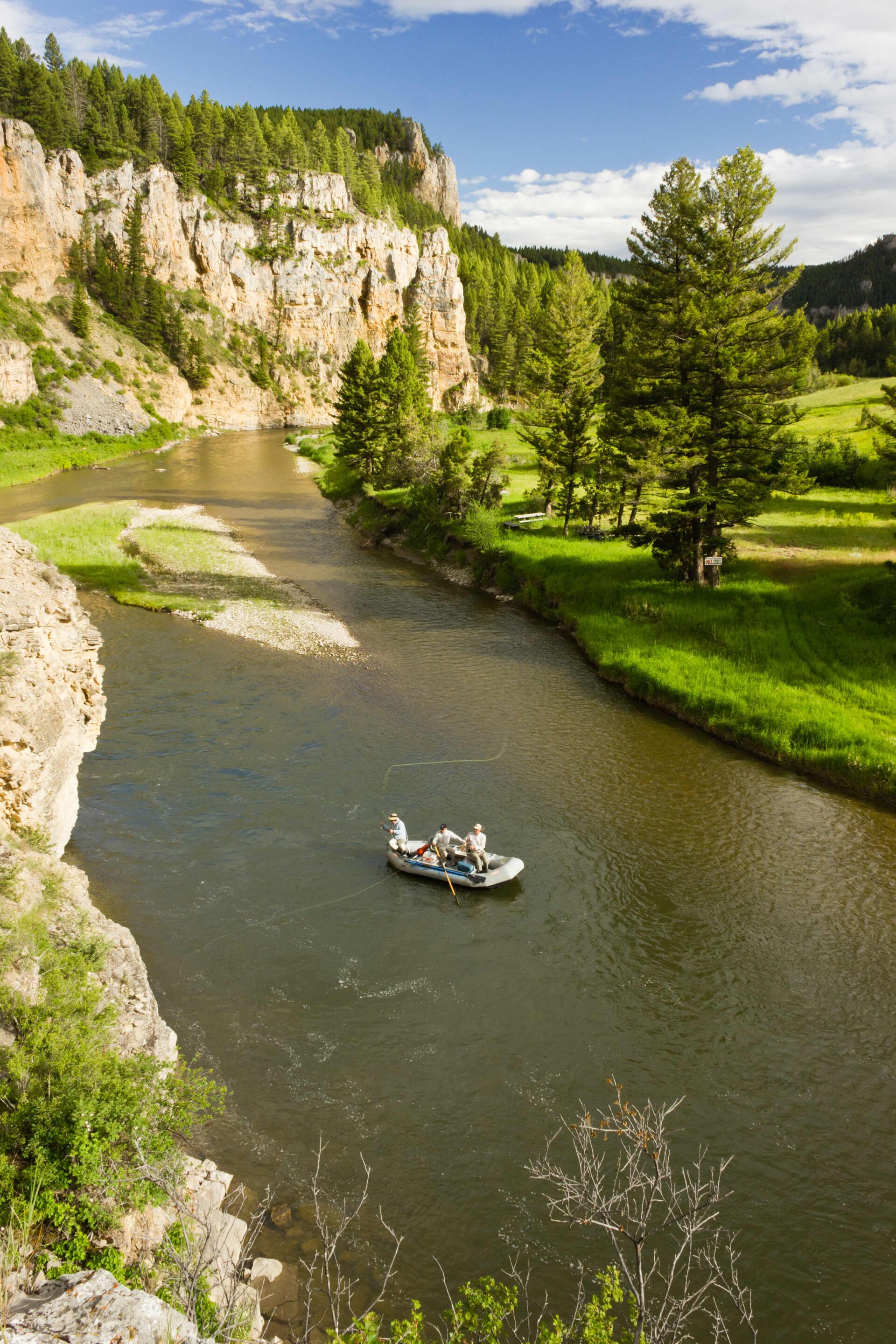
Defending the Smith River: Our #1 Priority
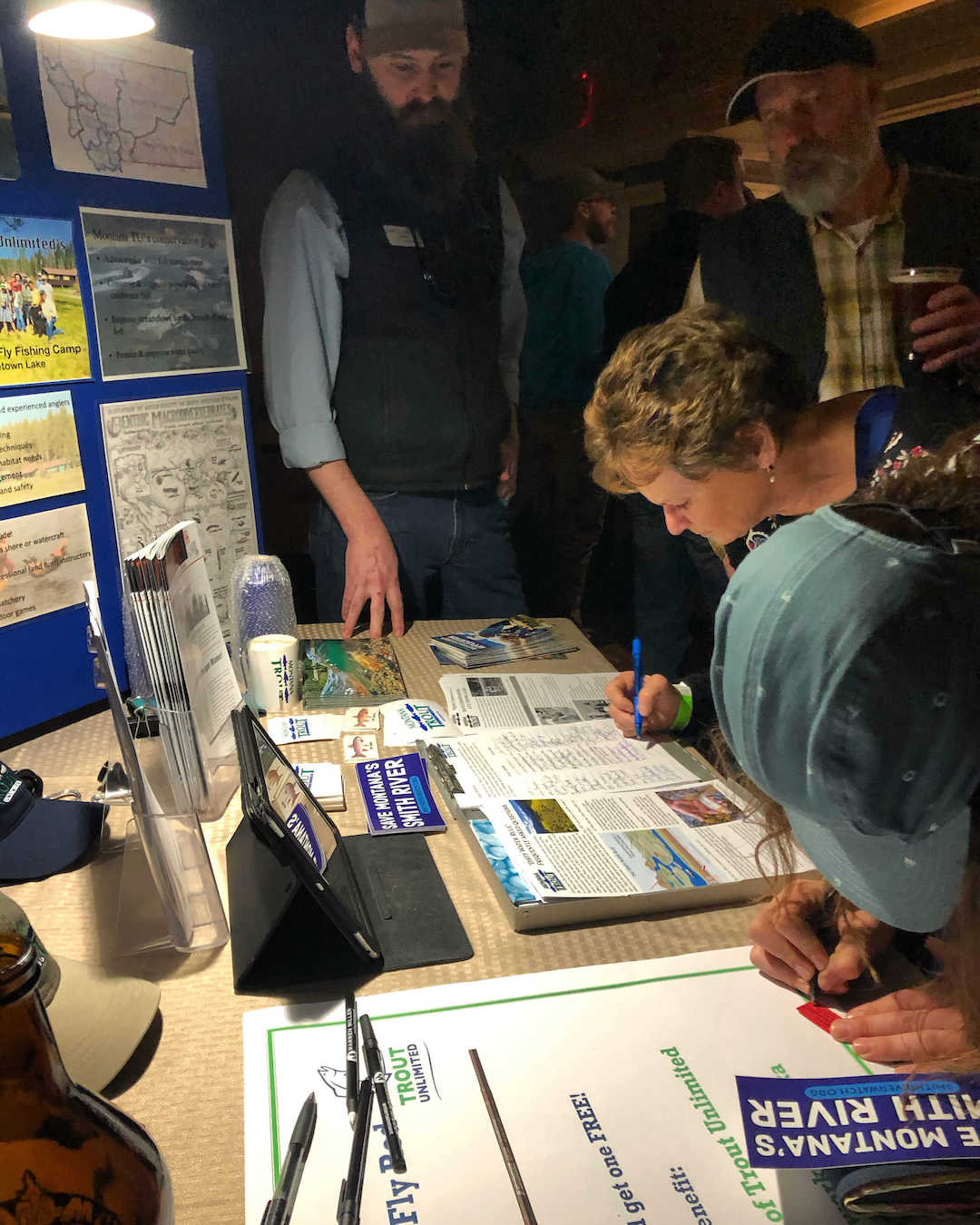
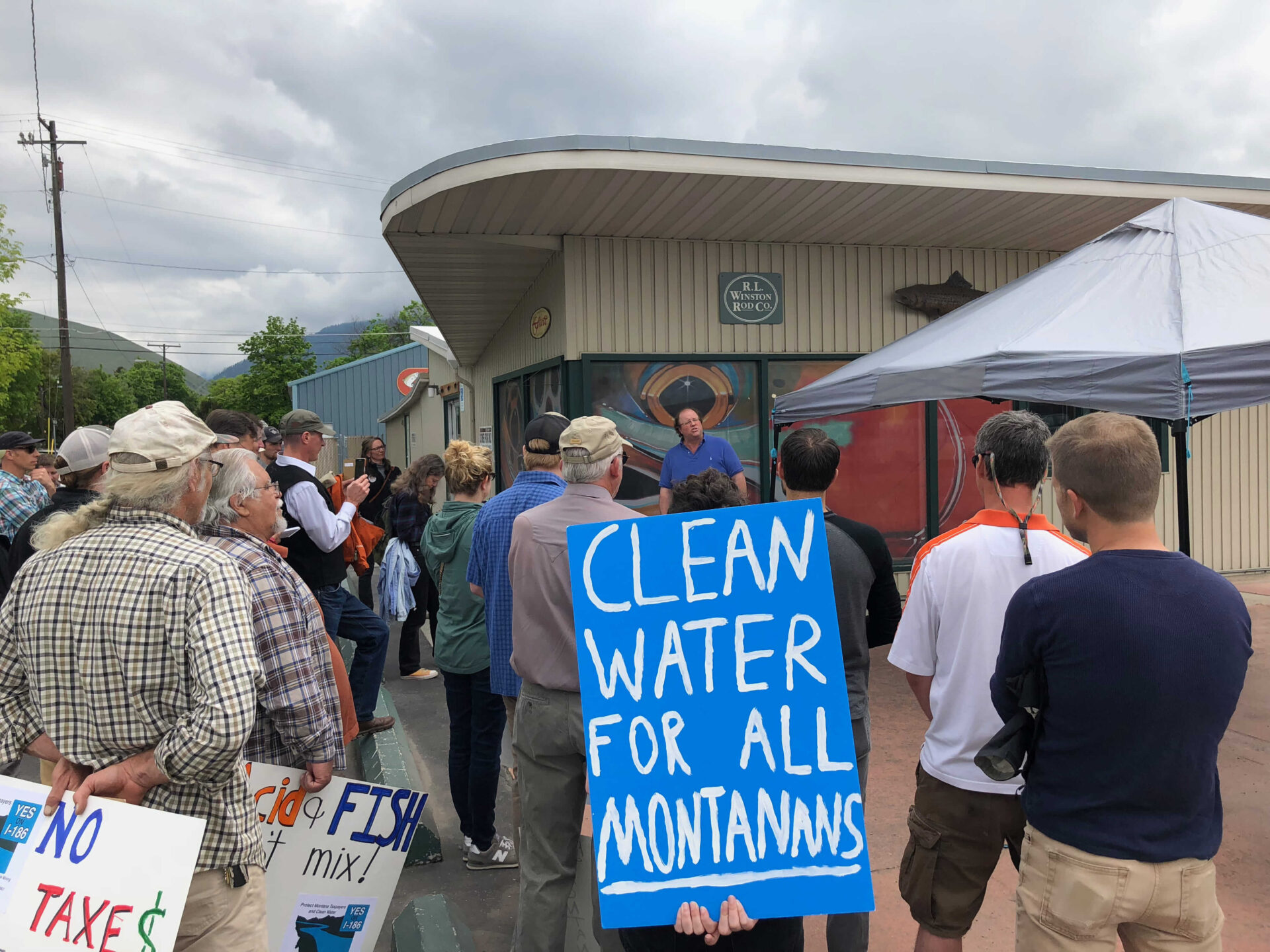
Since 2014, Montana Trout Unlimited and our coalition partners have led the fight to stop a foreign-owned mining company from building a large copper mine on Sheep Creek, a major headwater tributary of the Smith River. Learn more about our campaign to protect this iconic place that’s been treasured by people for thousands of generations.
Who We Are
Founded in 1964, Montana Trout Unlimited is the only statewide grassroots organization dedicated solely to conserving and restoring coldwater fisheries. Montana Trout Unlimited is comprised of 13 chapters representing approximately 4,500 Trout Unlimited members.
Montana Trout Unlimited is governed by volunteer directors from each of the state’s local TU chapters. It is financially independent of TU National and contributions to Montana Trout Unlimited are tax-deductible and support conservation, protection and restoration efforts in Montana.
Our Work
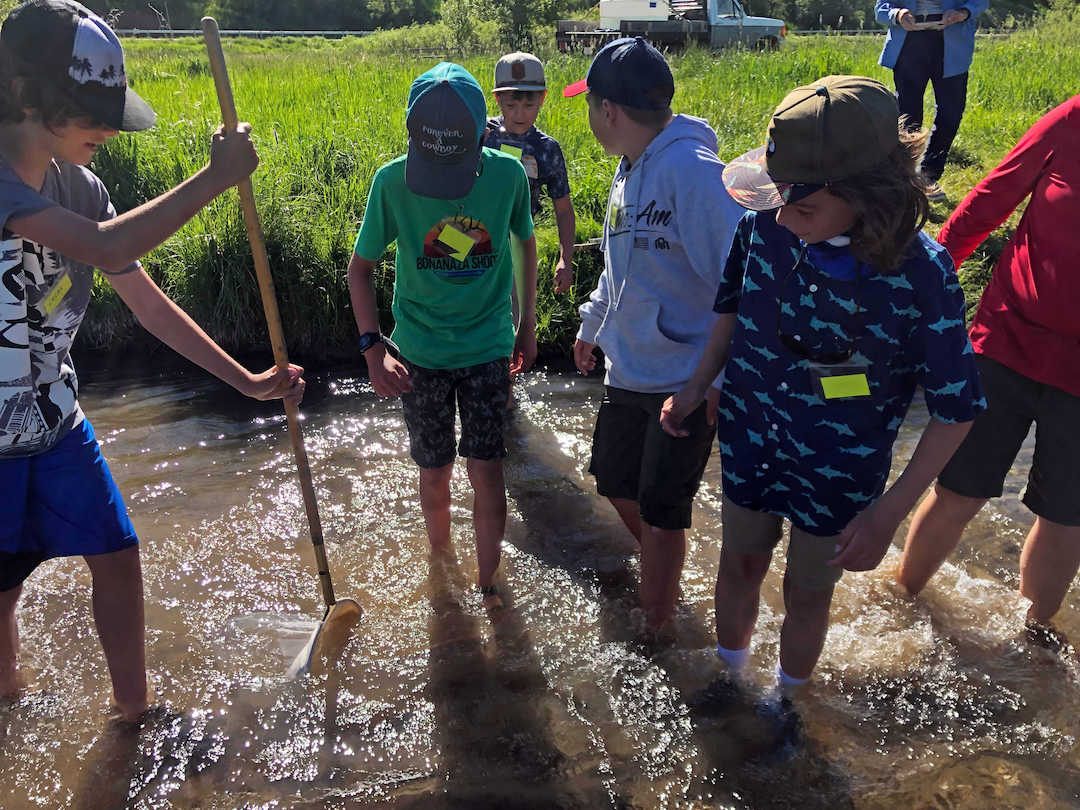
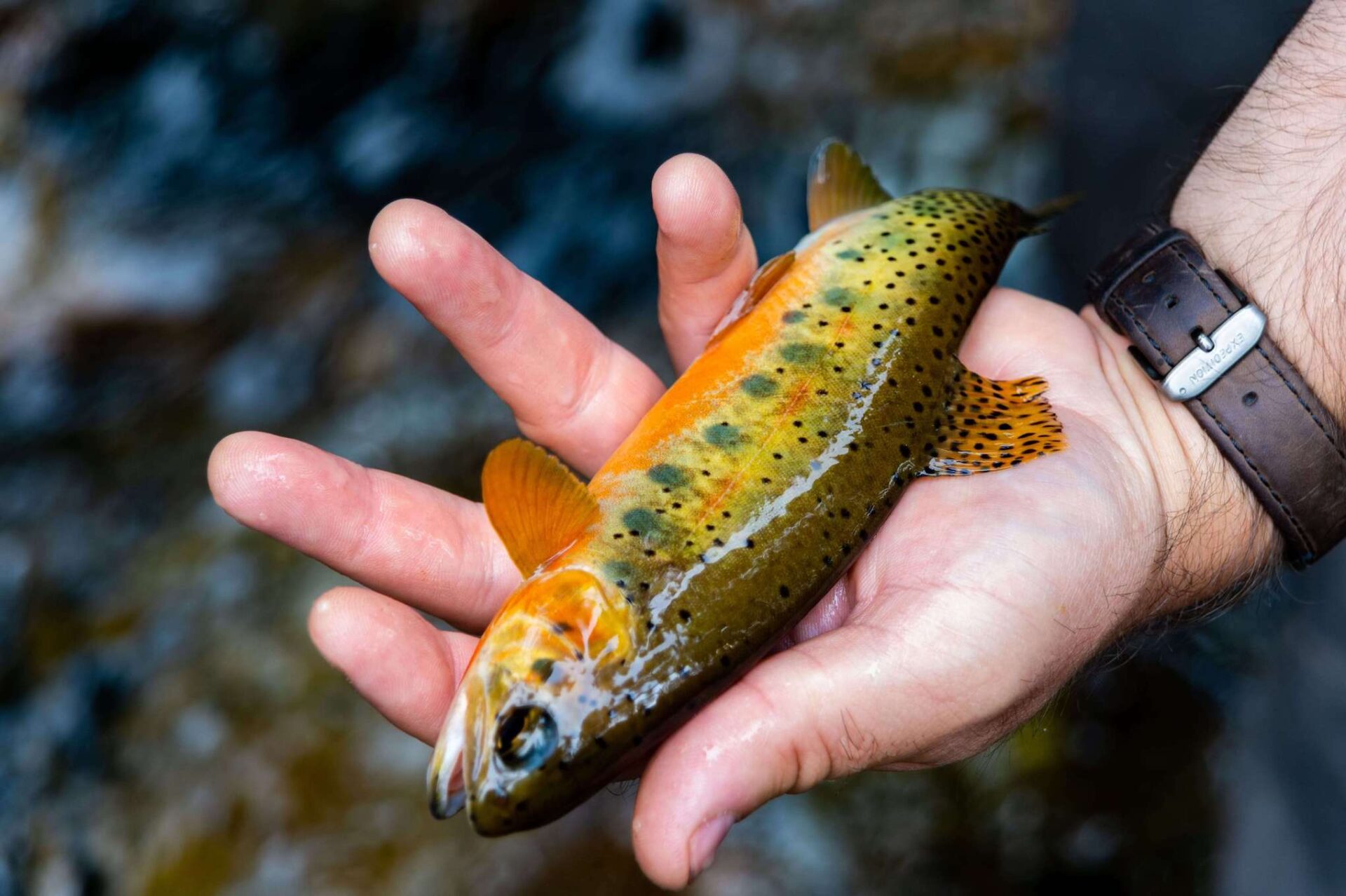
Montana Trout Unlimited conserves, protects, and restores Montana’s cold water fisheries and watersheds. We fight for clean, cold water at the local, state, and federal level by supporting trout-friendly policy. We help Mother Nature by restoring and remedying past wrongs and protecting and recovering native species. We help educate the current and next generation of conservation-minded anglers and seek to build alliances with other groups seeking to protect Montana’s most vital resource.

Chapters & Resources
Volunteer chapters are the key to Montana Trout Unlimited’s commitment to Montana’s coldwater fisheries and intact trout habitat. Across the state, our 13 local chapters further MTU’s mission by advocating for wild trout-friendly policies at the local, state, and federal level, volunteering for boots-on-the-ground restoration and citizen science projects, teaching the next generation of conservation-minded anglers, and so much more. Find out more about your local chapter. If you’re already a board member, locate resources to make your work easier.
Latest Blog Posts
Check out the latest news from Montana Trout Unlimited.

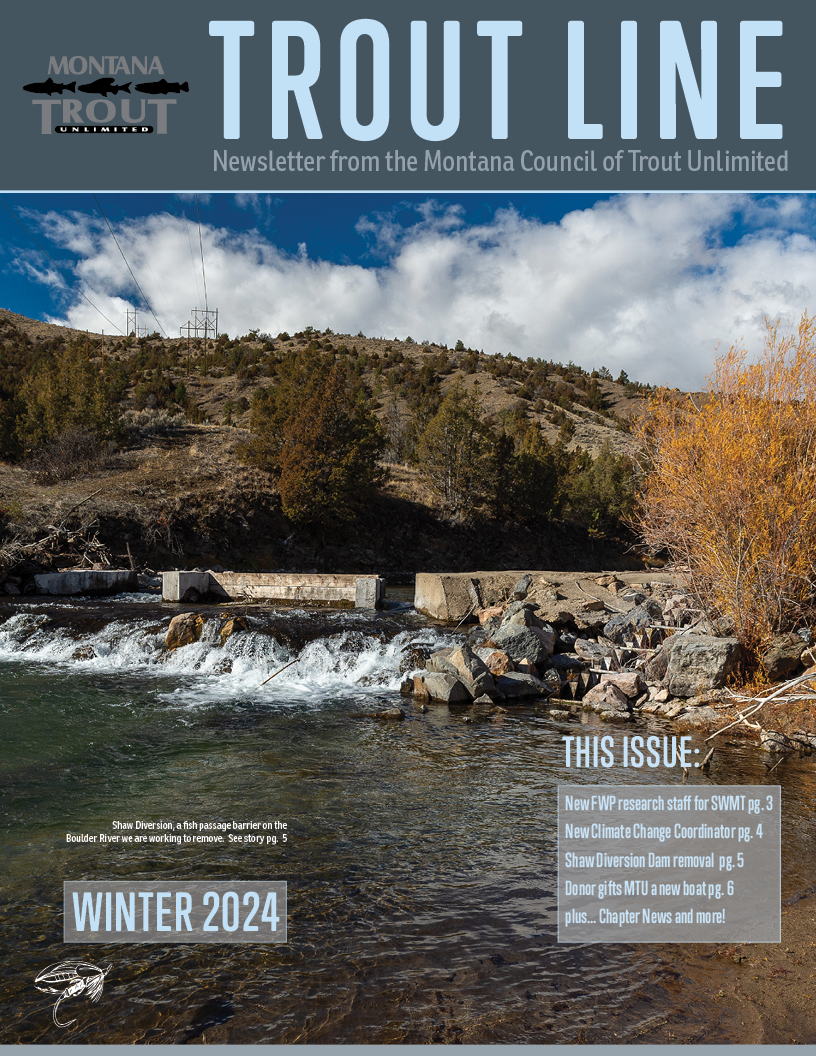
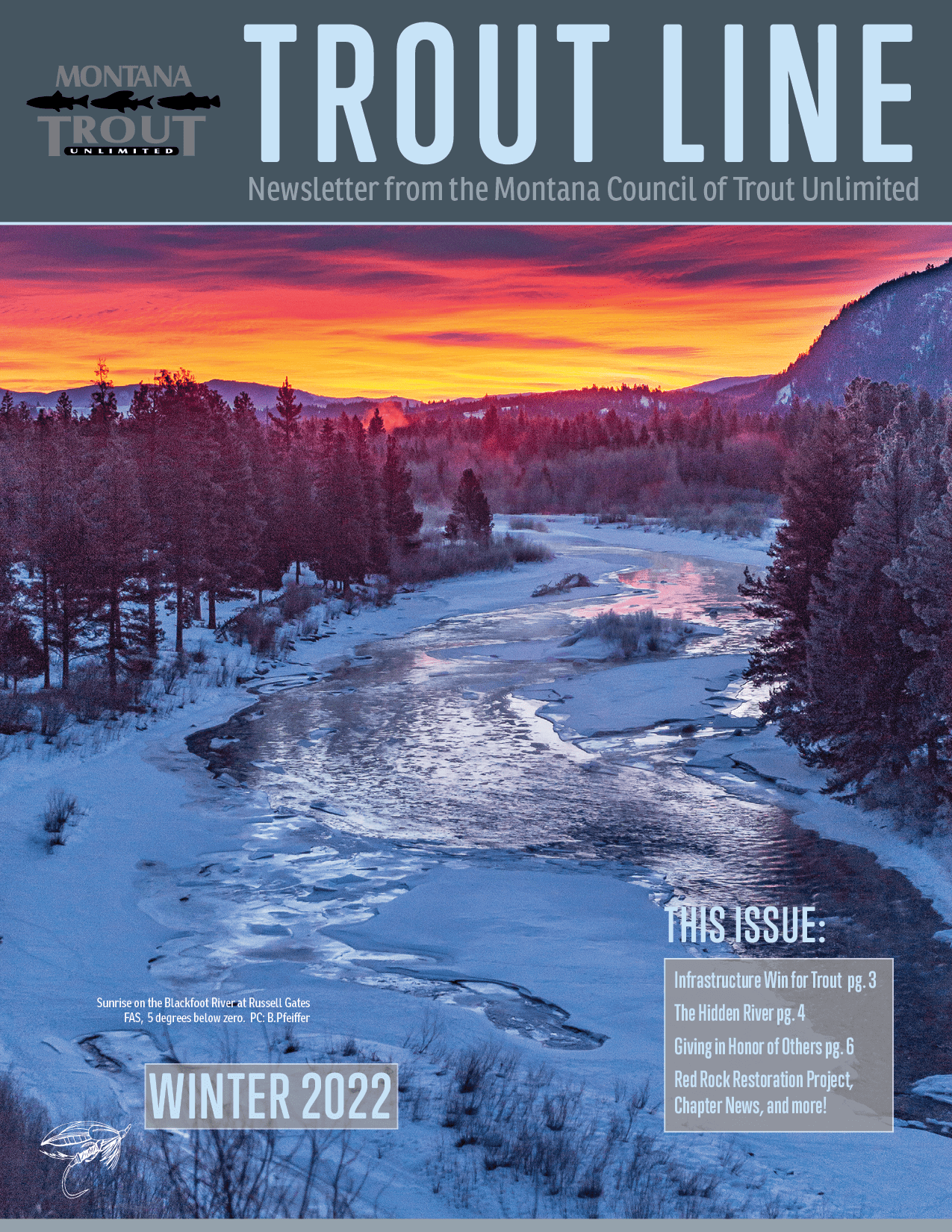
TL-Winter-24
Smith2022web–22
Helena/Great Falls
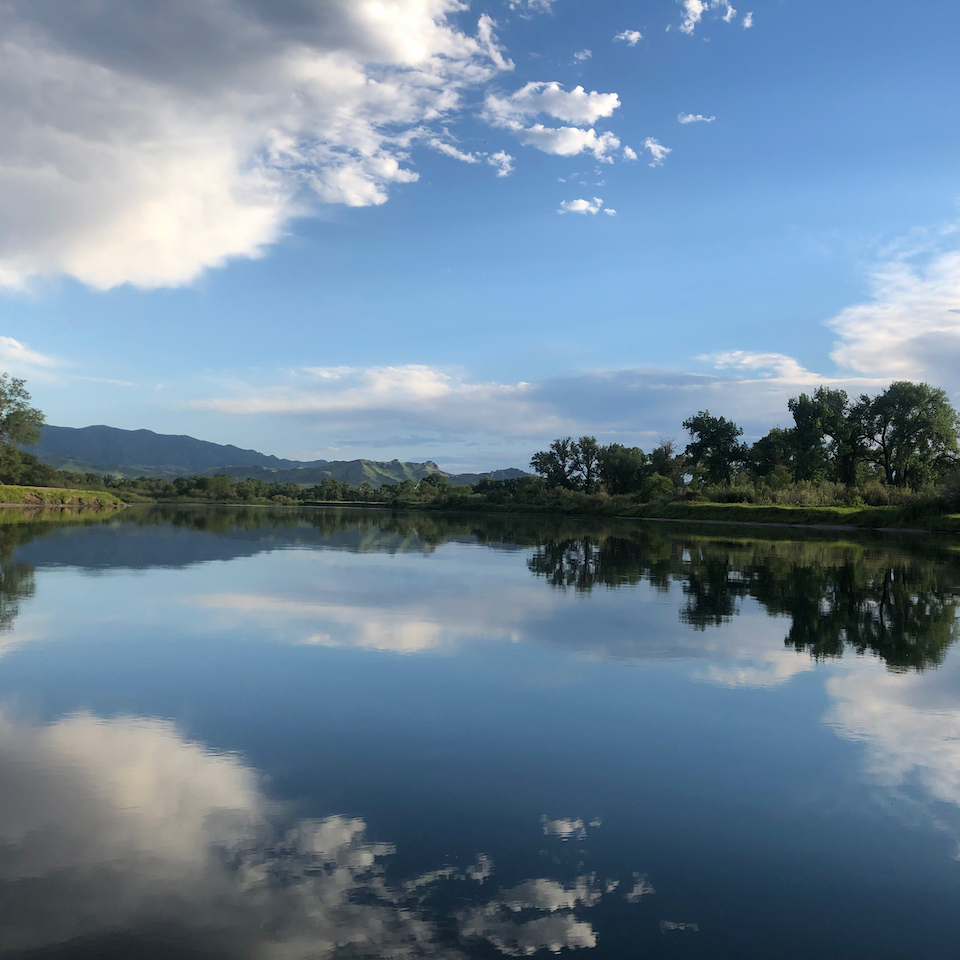
NinemilePlantingweb-28

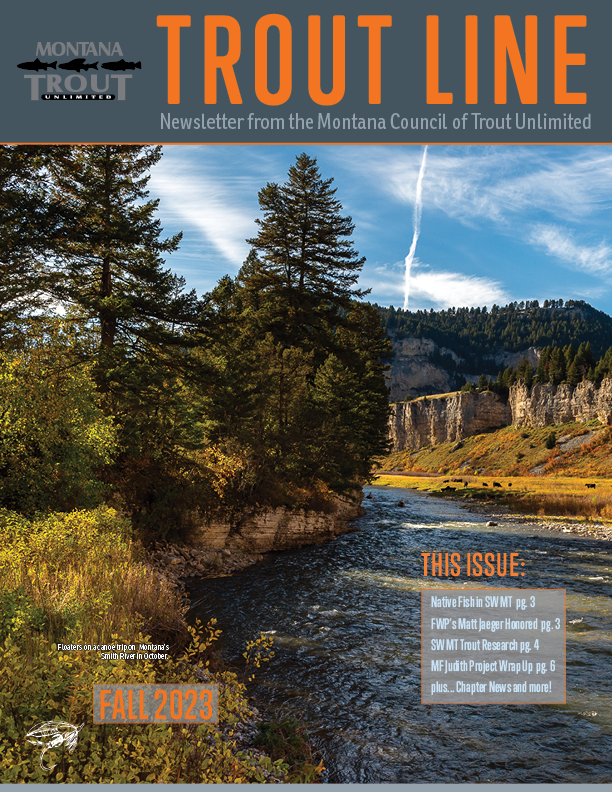
TL Fall 2023
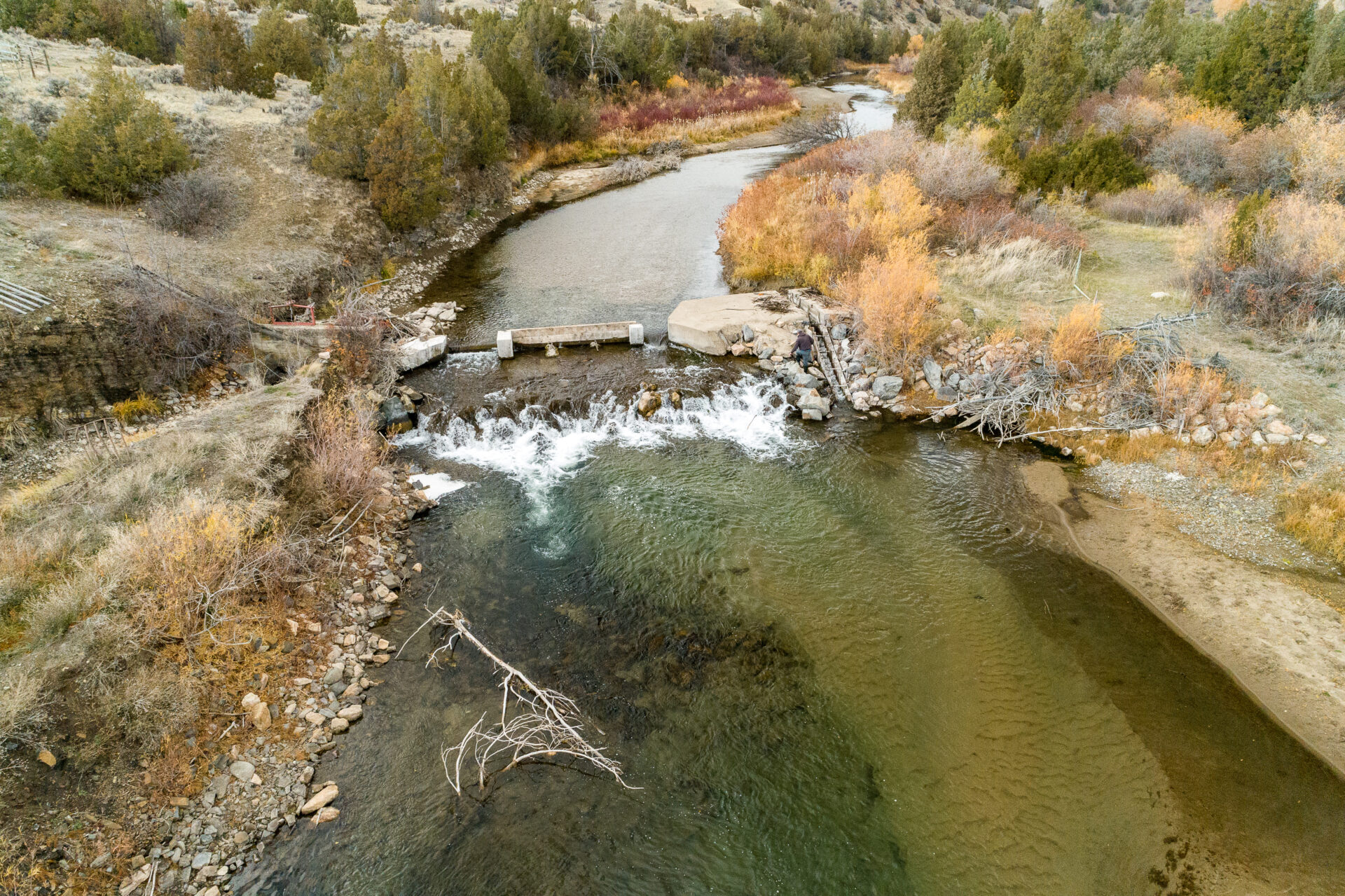
ShawDiversion
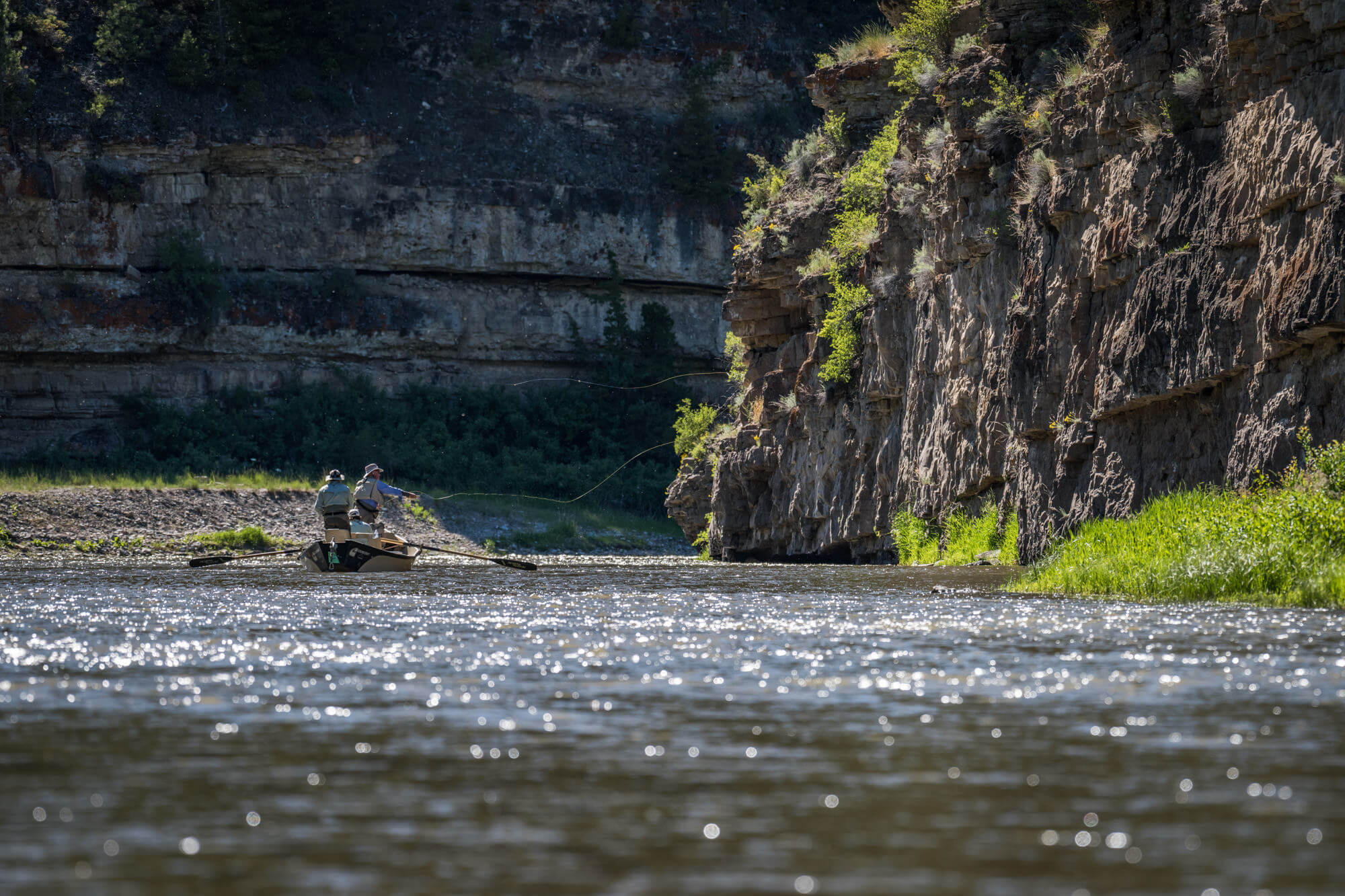
Learn more about our staff and other committee members.
Featured Projects
From education and outreach to advocacy and stream restoration, our work is multifaceted and mission focused. Learn more about some of our current projects here.
SmithRiverMemory
Grid2

Grid4
Grid5
Grid6

Grid7 (1)
Grid8 (1)
Grid9 (1)
BrewshedAllianceBeer

In the News
Our work isn’t just important for anglers. Clean water and healthy ecosystems benefit everyone. Check out these recent stories of our projects in the media:
- Dillon-based FWP fisheries biologist receives national award from Trout Unlimited, Montana Standard, Dec. 14, 2023
- Officials announce project to improve trout habitat in the Jefferson Basin, Montana Public Radio, Nov. 17, 2023
- MTU Partners with GSM to Provide More Access to Spawning Areas and Thermal Refuge, Whitehall Ledger, Nov. 16, 2023
- Republican Challenge Could Strip MT Waterways of Protections, Public News Service, Feb. 10, 2023
- EPA Agrees to More Sampling at Smurfit Site, Missoula Current, Feb. 6, 2023
- Montana Tunnels mine seeks bankruptcy protection, Helena Independent Record, Dec. 8, 2022
- MTU secures EPA grant for more Smurfit sampling, Missoula Current, Nov. 8, 2022
- Doubts Downstream: Libby Concerned About Selenium Pollution, CBC News, Oct. 19, 2022
- FWP announces new fishing access site for Beaverhead River, NBC Montana, Oct. 15, 2022
- Study: Climate change may reduce Montana trout habitat, angling income, Helena Independent Record, Oct. 6, 2022
- No Fish Left Behind: MTU and FWP work to save trout trapped in ditches, Missoula Current, Oct. 5, 2022
For a complete list of past media stories about Montana TU, visit our In the News archive HERE.
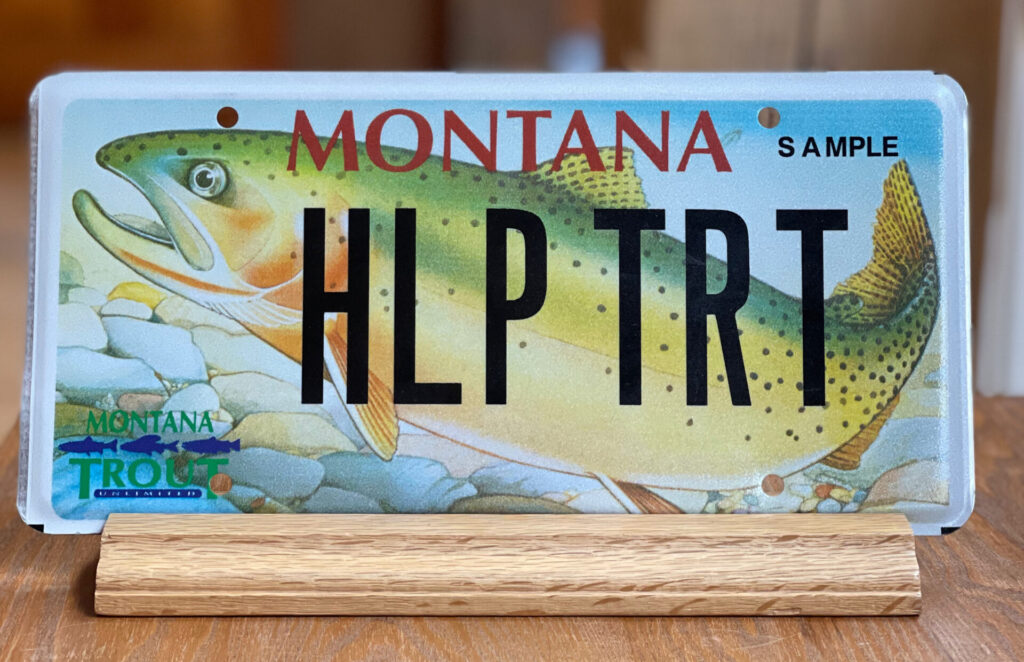
Support our work! Get the original Montana Trout Plate by Monte Dolack!
Ask for the Montana Council of Trout Unlimited plate at your county treasurer’s office when you purchase a new vehicle or renew your registration.
Contact Us
We’re happy to answer your questions about our work or anything else trout related.
Drop us a line here!